





Wymagania wobec dzisiejszych zespołów HR są bardzo wysokie. Liderzy są nieustannie proszeni o robienie więcej za mniej, a wszystko to przy jednoczesnym dotrzymywaniu kroku zmianom technologicznym, gospodarczym i regulacyjnym. To niemożliwe obciążenie, które utrzymuje twoje zespoły w ciągłym stanie gaszenia pożarów.
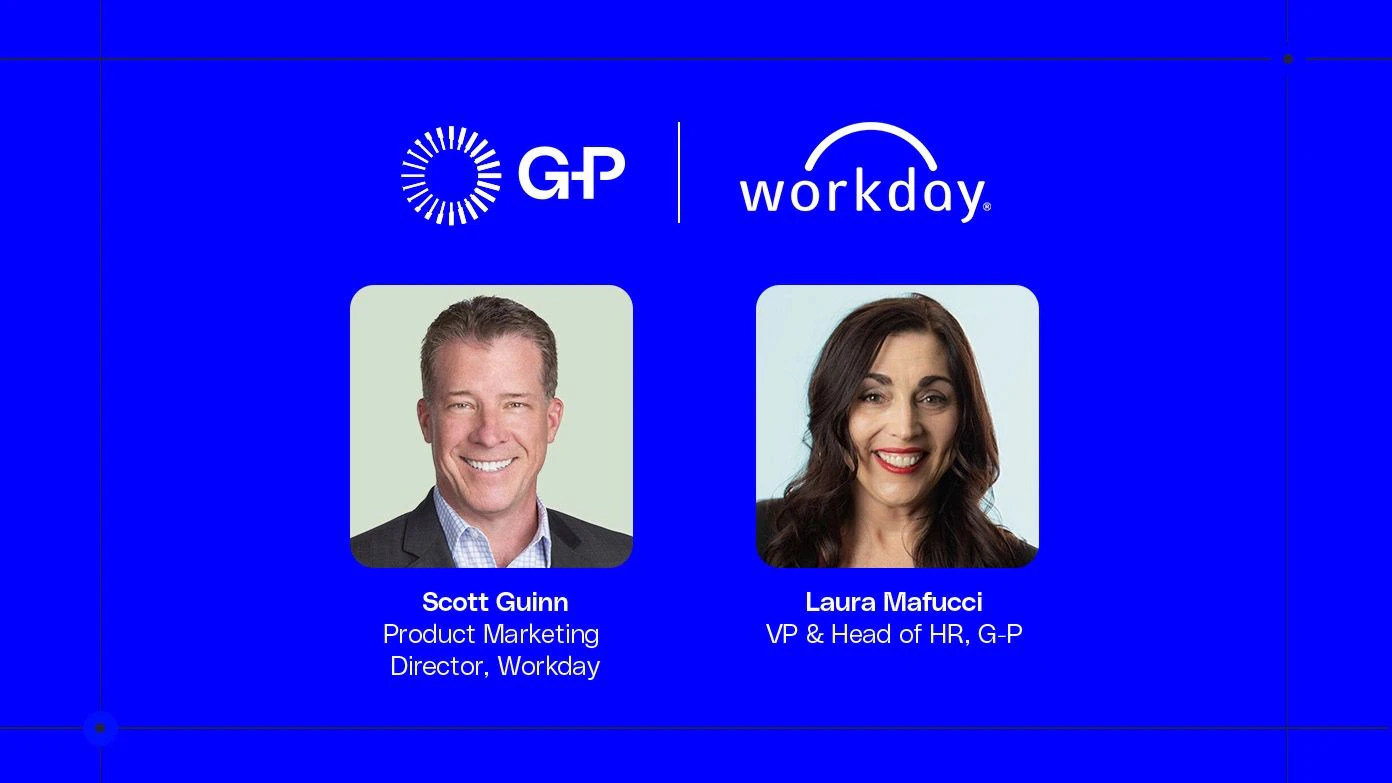
Liderzy HR zwracają się do AI, aby zmniejszyć obciążenie. Na HR Tech Laura Maffucci, wiceprezes i dyrektor ds. HR w G-P, spotkała się ze Scottem Guinnem, dyrektorem ds. marketingu produktów w Workday, aby porozmawiać o tym, jak sztuczna inteligencja może zmienić rolę HR z skoncentrowanej na administracji na lidera strategii.
Przyjrzyjmy się pięciu najważniejszym wnioskom z ich dyskusji.
#1: Zmierzenie się z koszmarem zgodności
„Zgodność z przepisami dotyczącymi zatrudnienia jest idealnym przypadkiem użycia sztucznej inteligencji” – powiedziała Maffucci. „I to nie tylko dla globalnej zgodności. W tej chwili, w Stanach Zjednoczonych, każdy stan wdraża nowe przepisy, które różnią się od innych stanów, które musisz mieć na uwadze. Więc nawet jeśli jesteś tylko w USA, nawet w jednym stanie, te przepisy stale się zmieniają. Nieważne, kiedy skończysz być w wielu krajach.”
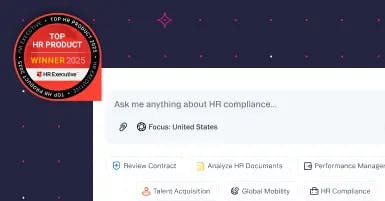
To właśnie tam rozwiązania AI, takie jak G-P Gia™, stają się Twoimi najlepszymi sprzymierzeńcami. Gia to pierwsza w swoim rodzaju agentyczna sztuczna inteligencja, która działa w Twoim imieniu i zapewnia natychmiastowe odpowiedzi na wszystkie pytania dotyczące zgodności z przepisami HR w 50 krajach i wszystkich 50 stanach USA. Opiera się na ponad dziesięcioletnim doświadczeniu G-P w zakresie globalnego zatrudnienia i jest sprawdzana przez wewnętrznych ekspertów prawnych, aby zapewnić Ci wskazówki, którym możesz zaufać.
2: Wykorzystanie AI jako strategicznego doradcy
Oprócz zgodności z przepisami HR, sztuczna inteligencja może również pomóc w poufnych i wrażliwych częściach działu HR. "HR może być naprawdę samotny. Nie zawsze możemy porozmawiać o czymś, nad czym pracujemy z kimś innym, ponieważ jest to poufne" - powiedział Maffucci. Ale masz tego małego agenta AI, który może stać się twoim myślącym partnerem, który może z tobą porozmawiać. Przez większość czasu Gia albo znajduje coś, o czym nie pomyśleliśmy, albo wskazuje coś na ten temat w inny sposób.
Sztuczna inteligencja może być również wykorzystywana do poprawy efektywności zarządzania. Może dostarczyć liderom notatek z coachingu, szablonów oceny wyników, a także skryptów trudnych rozmów z pracownikami.
Guinn podkreślił również podobny trend w pozyskiwaniu talentów: „Kiedy patrzysz na rekruterów, na przykład, gdy skracają czas poświęcony na zadania administracyjne, sztuczna inteligencja uwalnia ich do bardziej znaczących rozmów z kandydatami” – powiedział.
#3: Pozwalanie sztucznej inteligencji na przetrawienie danych w celu szybszego podejmowania decyzji
Agenci sztucznej inteligencji, tacy jak Gia, lub agenci sztucznej inteligencji Workday, dostępni za pośrednictwem Ask Workday, mają możliwości konwersacji, które mogą analizować dane Twojej firmy. Guinn wyjaśnił, że Workday przetwarza dużą liczbę transakcji danych rocznie. Ask Workday, który służy jako podstawowy interfejs użytkownika w Workday do interakcji z agentami AI, takimi jak Workday Payroll Agent lub Talent Mobility Agent, wykorzystuje konwersacyjną sztuczną inteligencję, aby pomóc użytkownikom w pobieraniu informacji i wykonywaniu zadań, które analizują te ogromne dane w naturalnym, konwersacyjnym języku. Pozwala to użytkownikom wyeliminować ręczną nawigację i odsyłanie do wielu systemów w celu zebrania potrzebnych danych.
Dzięki agentycznej sztucznej inteligencji nie musisz już sprawdzać wielu systemów, aby zebrać informacje. W ułamku czasu uzyskujesz holistyczny obraz, co prowadzi do szybszego i lepszego podejmowania decyzji.
#4: Budowanie zaufania do sztucznej inteligencji poprzez utrzymywanie ludzi w pętli
Budowanie zaufania do sztucznej inteligencji jest kluczem do przełamywania barier adopcyjnych. Guinn nazwał to „odpowiedzialną sztuczną inteligencją”. Workday wprowadza tę inicjatywę do swoich produktów i dba o to, aby ludzie zawsze byli w pętli. Workday ma również narzędzie AI, które działa jako agent ds. optymalizacji procesów biznesowych. Narzędzie upraszcza procesy biznesowe i zapewnia źródła, dzięki czemu pracownicy mogą wyraźnie zrozumieć jego logikę. Pomaga to budować zaufanie wśród pracowników.
Zaufanie jest również wbudowane w Gia poprzez G-P Verified Sources. Niektóre narzędzia sztucznej inteligencji przeszukują Internet w poszukiwaniu odpowiedzi. Gia posiada zastrzeżoną bazę wiedzy obejmującą ponad 100 000 legalnie sprawdzonych artykułów i ponad 1500 źródeł rządowych, aby udzielać liderom HR odpowiedzi, którym mogą zaufać.
Maffucci wyjaśnił, jak różni się to od innych narzędzi AI, takich jak ChatGPT: „Ponad 70% tych [ChatGPT] odpowiedzi pochodzi z Reddit, Quora i Wikipedii” - powiedział Maffucci. „Jeśli masz pytanie prawne lub globalne pytanie dotyczące zgodności z przepisami dotyczącymi zatrudnienia, pierwszą myślą nie jest: „Wiesz co? Zobaczę, co Reddit mówi, że powinienem zrobić w tej sprawie. To chyba nie jest najlepsza rzecz do zrobienia. W rzeczywistości ChatGPT ogłosił w listopad 2025, że przestanie udzielać porad prawnych i medycznych z powodu obaw związanych z odpowiedzialnością.
5: Unikalna pozycja działu HR w zakresie wdrażania sztucznej inteligencji
Liderzy HR mają wyjątkową pozycję, aby przewodzić wdrażaniu sztucznej inteligencji. Prawie trzy czwarte amerykańskich liderów HR uważa, że ich dział wyprzedza inne funkcje, jeśli chodzi o dostosowywanie się do inicjatyw AI. Ponieważ dział HR jest już ustanowiony jako centralny dział odpowiedzialny za zarządzanie zmianami organizacyjnymi, Maffucci postrzega ten moment jako doskonałą okazję do kierowania zaangażowaniem pracowników. Musisz stanąć przed AI. Myślę, że jest to wyjątkowa okazja dla działu HR, aby faktycznie coś prowadzić” – powiedziała. Sposób na zapewnienie, że Twoja organizacja odniesie sukces w zakresie wdrażania i wykorzystywania sztucznej inteligencji, to upewnienie się, że Twoi pracownicy idą razem z nią. A dział HR ma wyjątkową pozycję, aby to zrobić.
Aby uzyskać więcej informacji na temat tego, w jaki sposób firmy wykorzystują sztuczną inteligencję do odniesienia sukcesu w nowej erze HR, obejrzyj pełny czat przy kominku z Laurą Maffucci i Scottem Guinnem na żądanie.

Jak G-P może pomóc
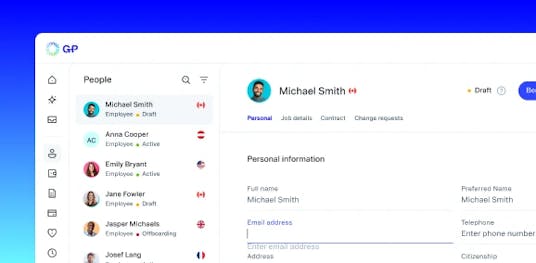
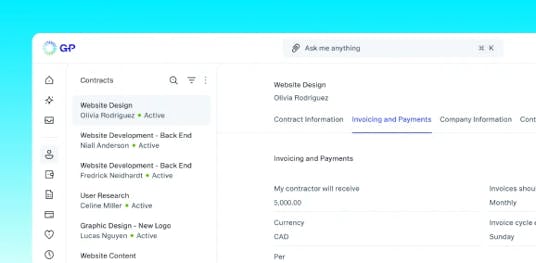
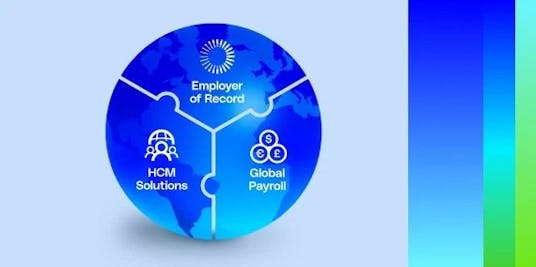
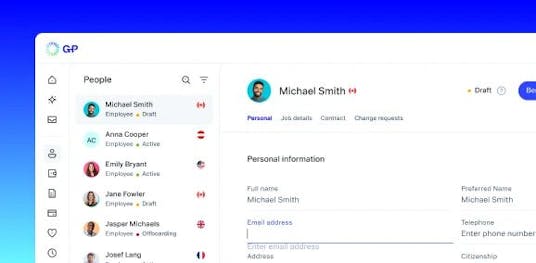
Jako uznany lider w globalnym zatrudnieniu G-P pomaga firmom każdej wielkości zatrudniać, wdrażać i zarządzać globalnymi zespołami w ponad 180 krajach, niezależnie od statusu podmiotu. Nasza globalna platforma oparta na sztucznej inteligencji zapewnia płynną integrację z Workday. Dzięki temu można synchronizować i automatycznie przesyłać dane dotyczące pracowników, w tym dane demograficzne, informacje o wynagrodzeniach i odcinkach wypłaty oraz faktury. Wszelkie aktualizacje globalnych danych pracownika wprowadzone w Workday zostaną automatycznie odzwierciedlone w G-P.
W jaki sposób Workday może pomóc
Workday wykorzystuje moc sztucznej inteligencji do podnoszenia poziomu ludzi i doładowywania pracy, posuwając firmy do przodu. Więcej informacji można znaleźć na www.workday.com.